
Three Pillars to Successful LinkedIn Recommendations

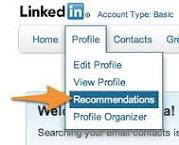 LinkedIn recommendations are useless…if not supported by a strategy. After tailoring LinkedIn profiles for professionals who have successfully attracted attention, I found that having a single objective when crafting your online presence and applying its essence within each section works best. LinkedIn recommendations are NO exception to this idea!
Susan Adams in her Forbes article, “Everything You Need To Know About LinkedIn Recommendations,” discusses 11 truths beyond endorsements and concludes that having them can help your cause. Now, I want to improve the odds that they will help you; this takes being strategic about three factors: their writer, content, and readers.
Writer – Seek credible endorsers. Target someone who is selective when it comes to their public recommendations. If they have recommended 15+ people, immediately look elsewhere. The more discerning an endorser is the more credible their exclusive endorsements will appear. Alternatively, consider seniority along with availability. Ideally, ask the most reputable and senior professional within your desired field to endorse you. The caveat however is that they should be available to take a phone call on your behalf. As Ms. Adams learned, hiring managers prefer talking to references to elicit the most honest and useful information regarding your candidacy.
Content – I agree with Ms. Adams that specificity matters; however, “ultra-specificity” as it relates to your sector and role is king and to know what is lacking or expected in your industry you must do homework. For example, according to the 2012 Edelman Trust Barometer, the following three industries are least trusted to do what is right: financial services, banking, and media. Given this finding, if you are seeking an opportunity within these fields, ask for an endorsement regarding your character. If you exhibited integrity while working on a specific assignment then ensure they highlight that moment. Otherwise, consider what makes you stand out amongst your peers vying for a particular role. If you are seeking a systems engineer opportunity where heavy analytical skills and a passion for numbers are expected, ask an endorser to discuss your atypical written and verbal communication skills.
Reader – You can control (to an extent) who reads your recommendations given your connections and self-marketing efforts. The best case is being recommended by someone who knows the hiring manager. If you are connected to both parties (the writer + the reader) then this reader will likely read that person’s viewpoint. However, these “golden connections” are rare hence self-marketing efforts matter. A fabulous idea used by a member of the Alumni of the Ivy League Group is to feature your best recommendation within your summary statement. Once you do this, aggressively target your marketing efforts. Email folks connected somehow to your target firms; include a link to your LinkedIn profile within your email signature. Otherwise, update your LinkedIn status with valuable content or a career transition progress note. Alternatively, find the LinkedIn groups where decision-makers hang out then contribute; read my LinkedIn Groups post for more insights there.
Go ahead and start soliciting strategic recommendations! Tell me how it goes or for more guidance comment below.


Thank you for this informative advice and guidance. I now clearly undedrstand how to utilize these methods and strategies within my industry.
ANTICIPATE THE Possibilities!
Maurice
Thank you Maurice. What guidance can give you folks on how to use recommendations given your industry?